
Le 21 janvier 2026
Can I / Should I share my data openly?
Research data management

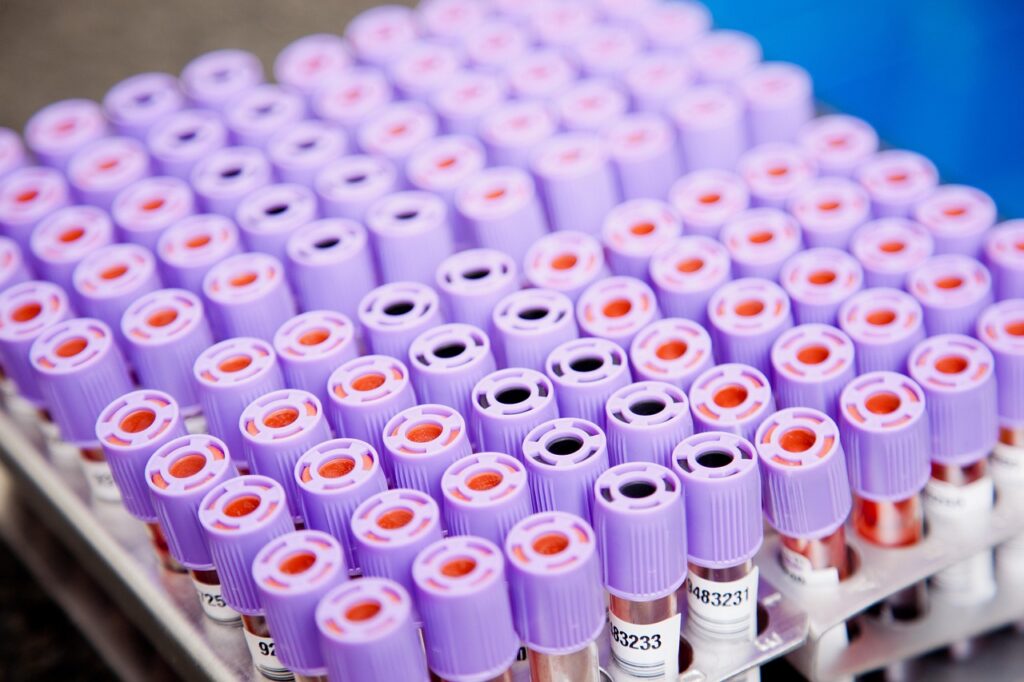
Research involving human cells or tissues (that includes, among others, biobanked materials, primary cell cultures, and human embryonic stem cells hESCs) raises significant ethical and legal responsibilities. Such research may involve sensitive sources, personal data, or materials with complex consent and traceability requirements. As a result, researchers must navigate national legislation, EU regulations, and international ethical standards to ensure that the work is conducted responsibly, lawfully, and transparently.
The use of human biological material may involve living or deceased donors, stored or fresh samples, or even human embryos. It is therefore important that:
The origin of the material must be ethically sound and legally documented;
The donor’s autonomy and rights must be respected through proper consent;
The handling, storage, and potential reuse of the material must follow strict procedures;
Special restrictions apply to human embryonic stem cell research, including bans on certain practices.
Researchers must be aware that laws vary between EU member states. Activities that are permitted in one country may be restricted or prohibited in another.
Law of 19 December 2008 – Governs the collection, storage, and use of human body material for research or therapeutic purposes.
Royal Decree of 28 September 2009 – Details implementation, licensing of biobanks, consent requirements, and traceability.
Law of 11 May 2003 on Research on Human Embryos in vitro –
– Allows specific hESC research under strict conditions;
– Requires favourable ethics committee opinion;
– Prohibits creation of embryos solely for research or stem cell extraction;
– Limits embryo development to 14 days.
Charter of Fundamental Rights of the EU Article 3 protects the integrity of the person.
Regulation 511/2014 that implements the Nagoya Protocol on access to and benefit-sharing of genetic resources, if relevant.
GDPR (Regulation 2016/679) Applies when personal data are linked to human samples.
EU Ethics Review Requirements. All EU-funded research (e.g. Horizon Europe) must demonstrate full compliance with EU ethical standards.
Ensure project-specific ethics committee approval before starting the research.
Justify the scientific necessity of using human biological material.
Clearly document the origin of all human cells or tissues used, collected, or produced.
Work with or through an accredited biobank, where required by law.
Obtain free, prior, and fully informed consent from all donors, with clear explanation of how the material will be used and stored.
Protect donor privacy and personal data, in line with the GDPR.
For hESC research, ensure the study does not:
Create embryos solely for research or stem cell procurement;
Result in the destruction of human embryos.
International Ethical Guidelines
In addition to complying with Belgian and EU law, researchers are encouraged to follow internationally recognised ethical standards:
Other relevant frameworks include:
Le 21 janvier 2026
Le 20 janvier 2026
Le 20 janvier 2026
Le 20 janvier 2026
Le 16 janvier 2026
Le 16 janvier 2026
Le 16 janvier 2026
Le 16 janvier 2026
Le 27 novembre 2025

Le 27 novembre 2025

Le 26 novembre 2025

Le 13 novembre 2025

Le 13 novembre 2025

Le 13 novembre 2025

Le 13 novembre 2025

Le 13 novembre 2025

Le 13 novembre 2025
Le 13 novembre 2025

Le 13 novembre 2025
Le 13 novembre 2025

Le 13 novembre 2025

Le 13 novembre 2025

Le 13 novembre 2025

Le 4 novembre 2025

Le 4 novembre 2025
Le 4 novembre 2025
Le 4 novembre 2025

Le 15 octobre 2025
Le 3 octobre 2025

Le 18 septembre 2025

Le 18 septembre 2025
Le 17 septembre 2025

Le 15 septembre 2025

Le 16 mai 2025