
Le 2 juillet 2026
Artificial Intelligence and Digital Data Practices in Research
Research data management et Open Data


Back to RDM Home page
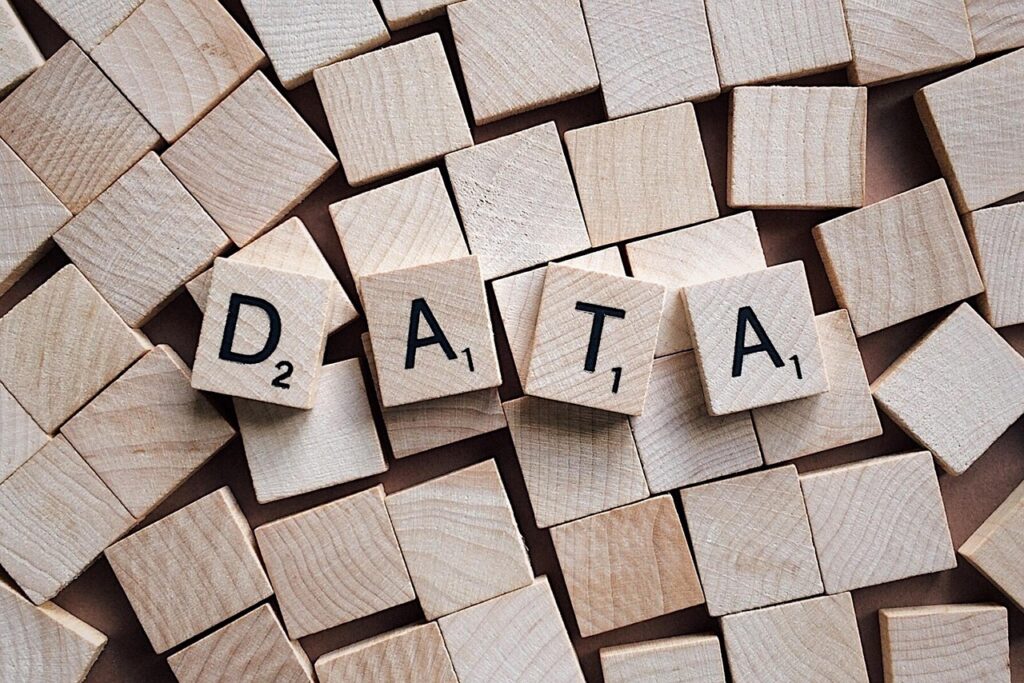
When conducting research, it’s important to understand the difference between primary and secondary data:
Reusing secondary data can save time, reduce costs, and enable comparisons across time, locations, or populations.
Using data collected by other researchers can greatly benefit your work:
Check whether existing data is available that you can reuse—this can often be done by searching in dedicated data repositories or portals.
You can find datasets through several avenues, for example:
Note: The use of these commercial sources (marked with *) is not officially validated by public authorities.
Are you using secondary data? Check out this information guide with best practices for data reuse:
https://www.openaire.eu/can-i-reuse-someone-else-research-data
Back to RDM Home page
Le 2 juillet 2026

Le 2 juillet 2026

Le 16 juin 2026
Le 27 janvier 2026

Le 21 janvier 2026
Le 20 janvier 2026
Le 20 janvier 2026

Le 20 janvier 2026

Le 16 janvier 2026

Le 16 janvier 2026

Le 16 janvier 2026

Le 16 janvier 2026
Le 27 novembre 2025
Le 27 novembre 2025

Le 27 novembre 2025

Le 26 novembre 2025

Le 13 novembre 2025

Le 13 novembre 2025

Le 13 novembre 2025

Le 13 novembre 2025
Le 13 novembre 2025
Le 13 novembre 2025
Le 13 novembre 2025
Le 13 novembre 2025

Le 13 novembre 2025

Le 13 novembre 2025

Le 13 novembre 2025
Le 4 novembre 2025

Le 4 novembre 2025
Le 4 novembre 2025
Le 4 novembre 2025

Le 15 octobre 2025
Le 3 octobre 2025

Le 18 septembre 2025

Le 18 septembre 2025
Le 17 septembre 2025

Le 15 septembre 2025
Le 16 mai 2025

Le 16 mai 2025

Le 16 mai 2025