
Le 21 janvier 2026
Can I / Should I share my data openly?
Research data management


Research ethics lies at the heart of responsible scientific practice and forms a foundational pillar of research integrity. Ensuring that ethical principles guide every stage of a project (from initial design to data collection, analysis, and dissemination) is essential for maintaining trust in the research system and safeguarding the reliability and social responsibility of its results (ALLEA, 2023).
Research is a dynamic process that can involve multiple ethical and legal dimensions, which is why researchers are strongly encouraged to consult their local ethics committee early in the project. Ethical compliance is not a one-time checkbox exercise: even after obtaining initial approval, new issues may arise as the project develops and may require further guidance or additional review. Although procedures vary between institutions, most research projects fall within one or more of the following major ethical domains:
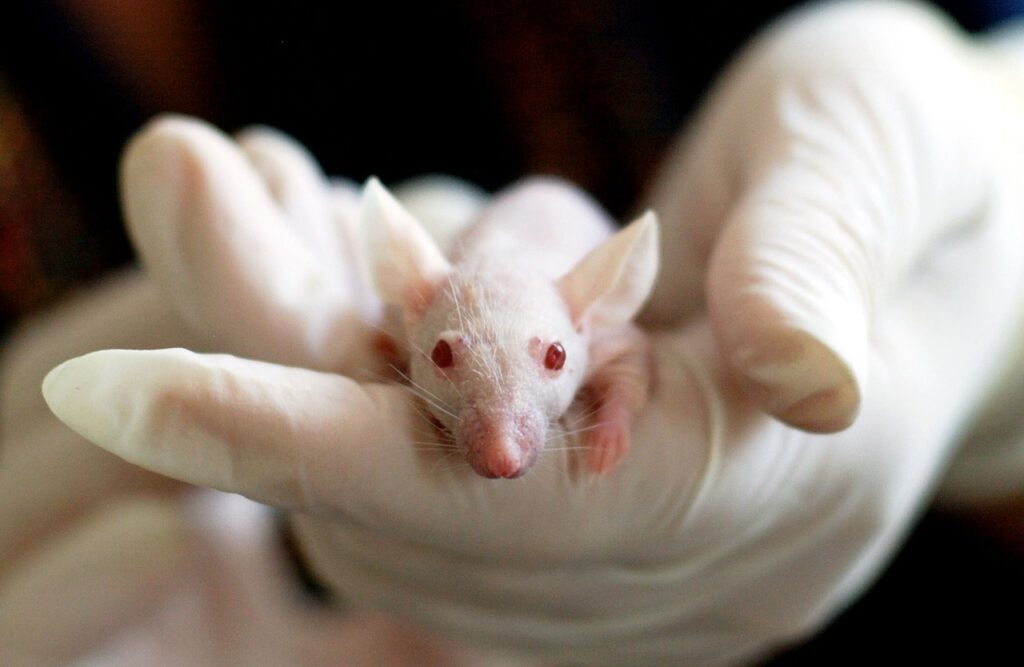
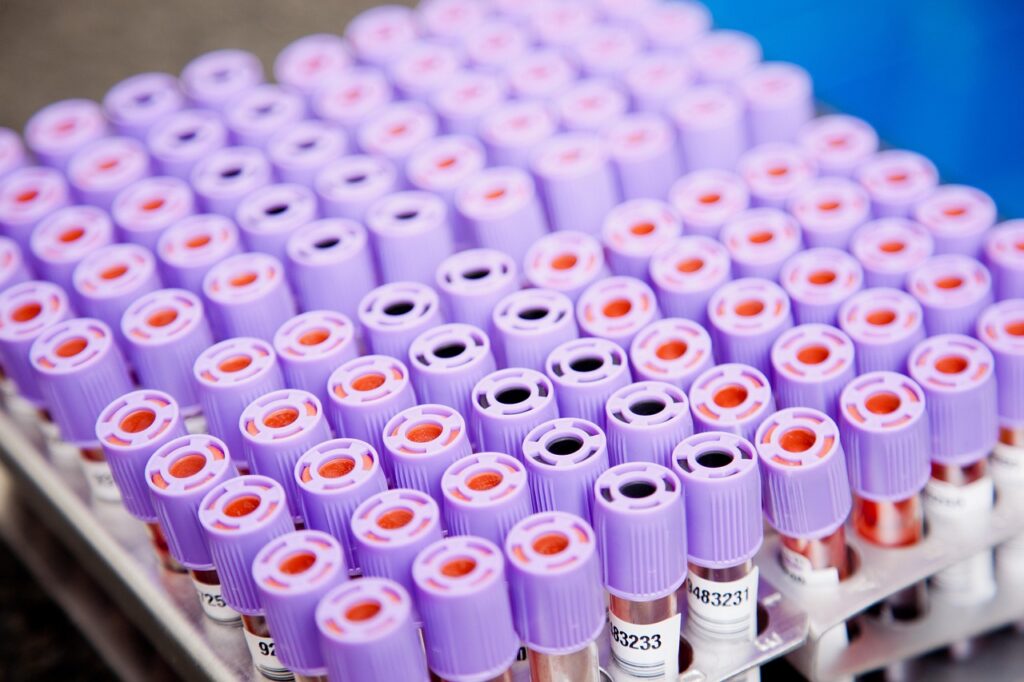
Human embryonic stem cells, human embryos, and human tissues
Research conducted in or with non-EU countries (risk of ethics dumping)
Environmental, health, and safety considerations
Artificial intelligence and digital data practices
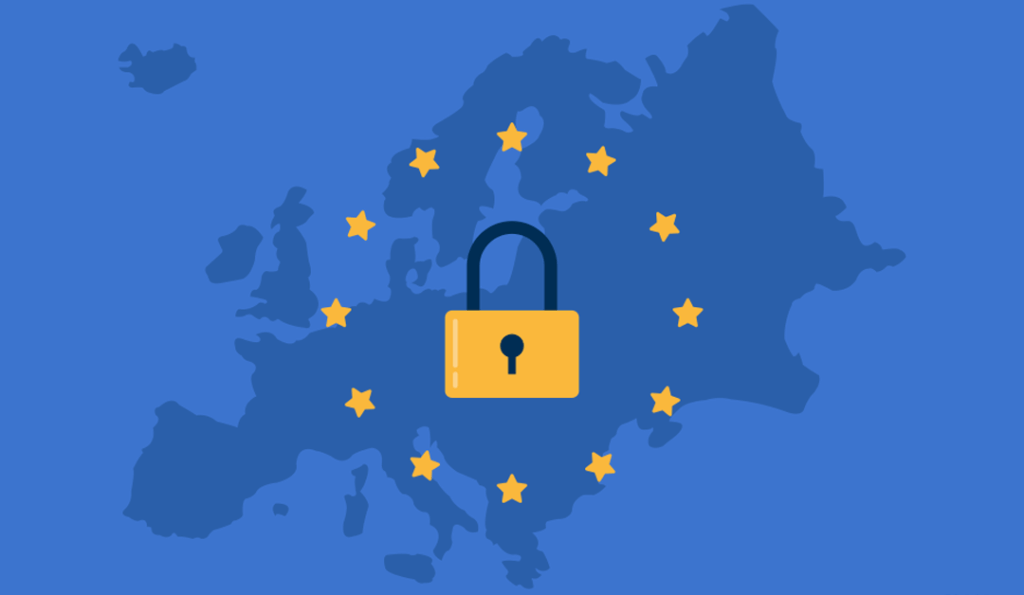
Cross-cutting issues such as dual use, security, and data protection
Le 21 janvier 2026
Le 20 janvier 2026
Le 20 janvier 2026
Le 20 janvier 2026
Le 16 janvier 2026
Le 16 janvier 2026
Le 16 janvier 2026
Le 16 janvier 2026

Le 27 novembre 2025
Le 27 novembre 2025

Le 27 novembre 2025

Le 13 novembre 2025

Le 13 novembre 2025

Le 13 novembre 2025

Le 13 novembre 2025

Le 13 novembre 2025

Le 13 novembre 2025
Le 13 novembre 2025

Le 13 novembre 2025
Le 13 novembre 2025

Le 13 novembre 2025

Le 13 novembre 2025

Le 13 novembre 2025

Le 4 novembre 2025

Le 4 novembre 2025
Le 4 novembre 2025
Le 4 novembre 2025

Le 15 octobre 2025
Le 3 octobre 2025

Le 18 septembre 2025

Le 18 septembre 2025
Le 17 septembre 2025

Le 15 septembre 2025

Le 16 mai 2025