Data Sharing Agreement

Data Sharing Agreement

A Data Sharing Agreement (DSA) is an agreement between the research team’s entity (university) and a third party (another university, a company, a research centre, …). It is set up « when data is transferred between two legal entities and the other party will reuse the data for its own purposes » (Utrecht University, Research Data Management).

DSA can be different depending on the type of data, the receiving party, and the use (commercial use, academic use, testing use…) that will be made.

This page presents good practice and information on the elements that should be present in a DSA. However, it does not provide legal advice: we strongly recommend that you contact a legal advisor at your university to ensure the quality of your DSA.

What should be present in a DSA?

  1. Title: should contain: the name of the agreement, of the disclosing party (the person who disclose the data), and of the receiving party.
  2. Introduction: Should contain:
    1. a brief description of the data, the type of data (personal, sensitive, anonymized, pseudonymized). Are there any other documents (metadata, data documentation or description) that must be shared with the data?
    2. the purpose of the data collection and sharing, and the way data will be used by the receiving party. Are there any exclusion? Will the data be merged with other datasets?
    3. the name of the research project in which it has been collected (grant).
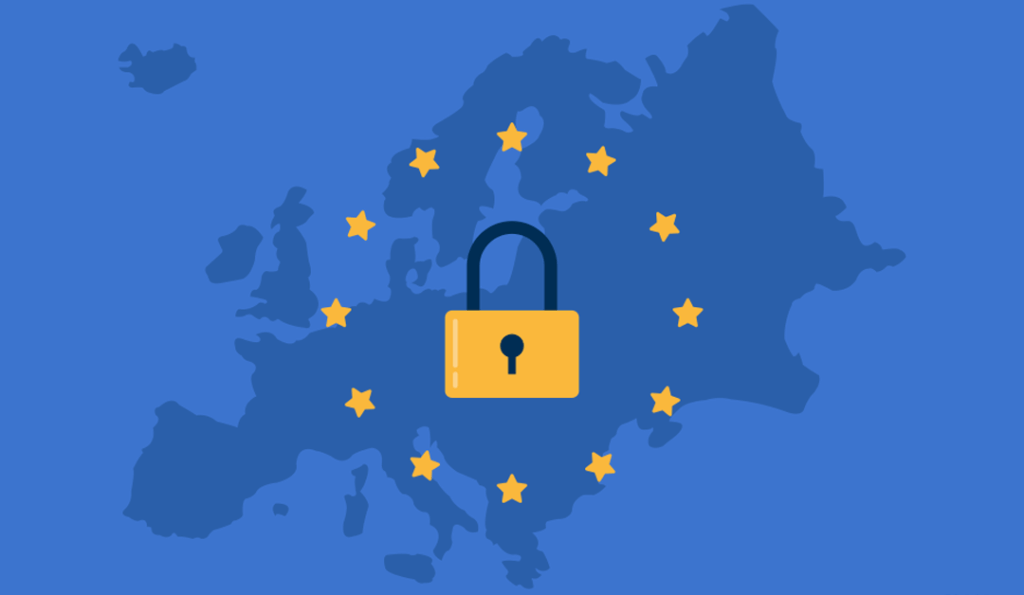
    4. any relevant regulation that applies to the data (university code of conduct, GDPR, etc.). If your data are concerned by GDPR, please consult our specific webpage, or contact your Data Protection Officer, it will affect the DSA as a whole.
  3. Access provisions: Who will have the rights to access the data? Who has the right to change or modify the data, what methods will be used to access it? Is the access free of charge or paid?
  4. Confidentiality: how will the data be protected (IT solutions, encryption, non-disclosure agreements, etc.)? What method of transfer, storage, will be used? How will the data be retained or destroyed?
  5. Third parties: what can the data be used for and whether it can be shared with third parties (and which ones), and under what conditions.
  6. Publishing/dissemination/sharing of data: is any party allowed to share, publish or release any insight of the data (which data, for what purpose, to whom)? Specify whether there will be secondary use or disclosure by the receiving party. Will this be a one-time disclosure or an on-going disclosure (e.g. annual)?
  7. Ownership: state that the data still belong to your university (or supplementary owner if appropriate), and when they will be returned.
  8. Duration and termination: the duration of the agreement and the authorization of use. In what circumstances can the agreement be terminated early?
  9. Governing law: applicable law and procedure in the event of a dispute.
  10. Authority: names, signatures and other legal aspects.

Plus d’articles sur cette thématique

  • Illustration de l’article Can I / Should I share my data openly?

    Can I / Should I share my data openly?

    Research data management

  • Illustration de l’article License your data

    License your data

    Research data management
  • Illustration de l’article Add an embargo period

    Add an embargo period

    Research data management
  • Illustration de l’article Select data for publication

    Select data for publication

    Research data management
  • Illustration de l’article Publish a data paper

    Publish a data paper

    Research data management
  • Illustration de l’article Add metadata

    Add metadata

    Research data management
  • Illustration de l’article Choose a data repository

    Choose a data repository

    Research data management
  • Illustration de l’article Research Involving Human Cells or Tissues

    Research Involving Human Cells or Tissues

    Research data management
  • Illustration de l’article Research involving Animals

    Research involving Animals

    Research data management
  • Illustration de l’article Research on human participants

    Research on human participants

    Research data management
  • Illustration de l’article Ethics

    Ethics

    Research data management
  • Illustration de l’article Going further

    Going further

    Research data management
  • Illustration de l’article Type, format and volume of data

    Type, format and volume of data

    Research data management
  • Illustration de l’article Data Quality

    Data Quality

    Research data management
  • Illustration de l’article File Organization and Naming Conventions

    File Organization and Naming Conventions

    Research data management
  • Illustration de l’article Metadata

    Metadata

    Research data management
  • Illustration de l’article Codebook

    Codebook

    Research data management
  • Illustration de l’article Document your data

    Document your data

    Research data management
  • Illustration de l’article Search for existing datasets

    Search for existing datasets

    Research data management
  • Illustration de l’article Sampling strategies

    Sampling strategies

    Research data management
  • Illustration de l’article Questionnaire design

    Questionnaire design

    Research data management
  • Illustration de l’article Compass to Research Data Management

    Compass to Research Data Management

    Research data management
  • Illustration de l’article Experimental planning

    Experimental planning

    Research data management
  • Illustration de l’article Write your DMP on DMPonline.be

    Write your DMP on DMPonline.be

    Research data management
  • Illustration de l’article Plan data management cost

    Plan data management cost

    Research data management
  • Illustration de l’article Data Management Plan (DMP)

    Data Management Plan (DMP)

    Research data management
  • Illustration de l’article Research Data Management

    Research Data Management

    Research data management
  • Illustration de l’article FAIR data principles

    FAIR data principles

    Research data management
  • Illustration de l’article Data Cleaning

    Data Cleaning

    Research data management
  • Illustration de l’article Data Collection

    Data Collection

    Research data management
  • Illustration de l’article Publish and share your data

    Publish and share your data

    Research data management
  • Illustration de l’article Qui sont vos personnes ressources pour la gestion des données de recherche ? DPOs

    Qui sont vos personnes ressources pour la gestion des données de recherche ? DPOs

    Research data management
  • Illustration de l’article Managing Your Research Data

    Managing Your Research Data

    Research data management
  • Illustration de l’article Qui sont vos personnes ressources pour la gestion des données de recherche ?

    Qui sont vos personnes ressources pour la gestion des données de recherche ?

    Open Data