Data Collection

Back to RDM Home page

Data Collection

To obtain high-quality, reliable, and reusable data, the data collection phase must be carefully designed and implemented. This stage is crucial, as poor planning here can lead to challenges in later steps such as analysis, interpretation, and sharing.

Based on the research question and methodology, several aspects must be considered:

  • What is the population or dataset of interest? What would be a representative sample or data selection strategy?
  • What is an appropriate sample size or data volume?
  • How should the data be obtained? Is experimental planning, randomization, or sampling required?
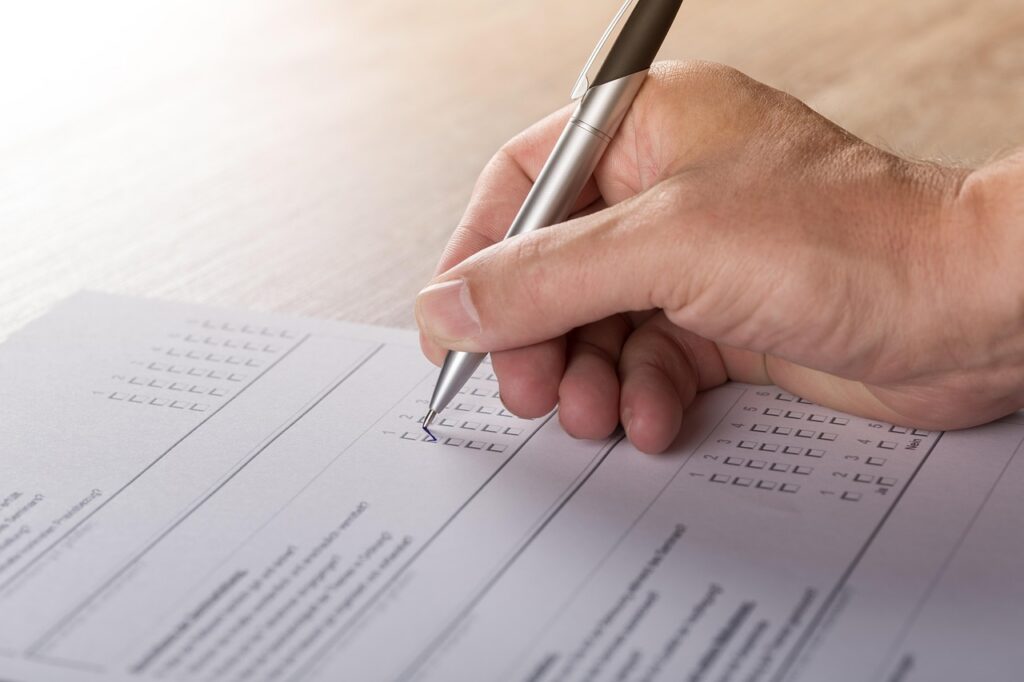
  • Will the study rely on questionnaires, instruments, sensors, simulations, or existing data sources? What design or preparation do they require?


Designing the Data Collection Phase

The way data is collected varies significantly across disciplines and depends on the research objectives, type of data, and practical constraints. Common approaches include:

  • Experimental planning: Planning controlled experiments to test hypotheses, including setup of variables, controls, and replicates.
  • Sampling strategies: Drawing representative samples from a population or dataset, especially in fieldwork, surveys, or observational studies.
  • Randomization: Assigning treatments or data collection orders randomly to minimize bias, often used in clinical trials or experimental social sciences.
  • Instrumentation and measurement: Ensuring devices, sensors, or software used for data collection are properly calibrated and documented.
  • Simulation or synthetic data: Generating data using models or algorithms, with detailed recording of parameters and assumptions.
  • Use of questionnaires or interviews: Designing tools for collecting structured or semi-structured responses, with attention to clarity, ethics, and accessibility.


Back to RDM Home page

More articles on this topic

  • Article illustration Search for existing datasets

    Search for existing datasets

    Research data management

  • Article illustration Questionnaire design

    Questionnaire design

    Research data management
  • Article illustration Sampling strategies

    Sampling strategies

    Research data management
  • Article illustration Experimental planning

    Experimental planning

    Research data management
  • Article illustration Plan data management cost

    Plan data management cost

    Research data management
  • Article illustration Write your DMP on DMPonline.be

    Write your DMP on DMPonline.be

    Research data management
  • Article illustration Do I have to write a DMP for my funder?

    Do I have to write a DMP for my funder?

    Research data management
  • Article illustration Data Management Plan (DMP)

    Data Management Plan (DMP)

    Research data management
  • Article illustration Compass to Research Data Management

    Compass to Research Data Management

    Research data management
  • Article illustration Research Data Management

    Research Data Management

    Research data management
  • Article illustration FAIR data principles

    FAIR data principles

    Research data management
  • Article illustration Research involving Animals

    Research involving Animals

    Research data management
  • Article illustration Research Involving Human Cells or Tissues

    Research Involving Human Cells or Tissues

    Research data management
  • Article illustration Type, format and volume of data

    Type, format and volume of data

    Research data management
  • Article illustration Introduction to RDM and FAIR data

    Introduction to RDM and FAIR data

    Research data management